Navigating the Journey: Essential Health Tips for Cancer Survivors and Caregivers
The journey of navigating life after a cancer diagnosis can be both daunting and liberating. For cancer survivors, it’s not just about survival; it’s about thriving. Picture this: after undergoing chemotherapy and perhaps even radiotherapy, you stand at the doorstep of a new chapter. The reality is, while the battle against malignancy is fought within the walls of healthcare facilities, the true journey unfolds once you step outside. How can you embrace this new life with optimism and actionable health strategies? Let's explore some vital tips for cancer survivors designed to empower you on your path to wellbeing.
When it comes to cancer care, knowledge is a powerful ally. As you transition into survivorship, consider the importance of health education. What role do oncologists play in your healing journey? They are not just your medical warriors but also your guides in navigating the landscape of public health. By understanding your unique health circumstances, including the specifics around your tumor type, such as carcinoma, you can take charge of your future. Engaging in patient advocacy and seeking out patient resources can synergize your efforts in health prevention and decision-making. Remember, your voice matters!
Nutrition is one of the cornerstones of wellbeing for cancer survivors. The right food choices can significantly enhance your quality of life and resilience. Imagine transforming your plate into a vibrant palette of colors filled with fruits and vegetables, whole grains, and lean proteins. These foods can help bolster your immune system, especially after treatments like immunotherapy. Consider exploring local support groups that emphasize wellness strategies, where you can share recipes and tips. What has worked for you? Your experiences might just inspire someone else in their journey toward recovery.
Physical activity is another vital element in the arsenal of a cancer survivor's health tips. Finding an activity you enjoy can boost not only your physical health but also your emotional wellbeing. It could be gentle yoga, brisk walking, or even dancing—whatever gets your heart pumping and sparks joy in your life. Studies have shown that regular exercise can improve hormone levels, aid recovery post-chemotherapy, and elevate your mood. Have you ever considered how something as simple as a daily walk could positively impact your mental state?
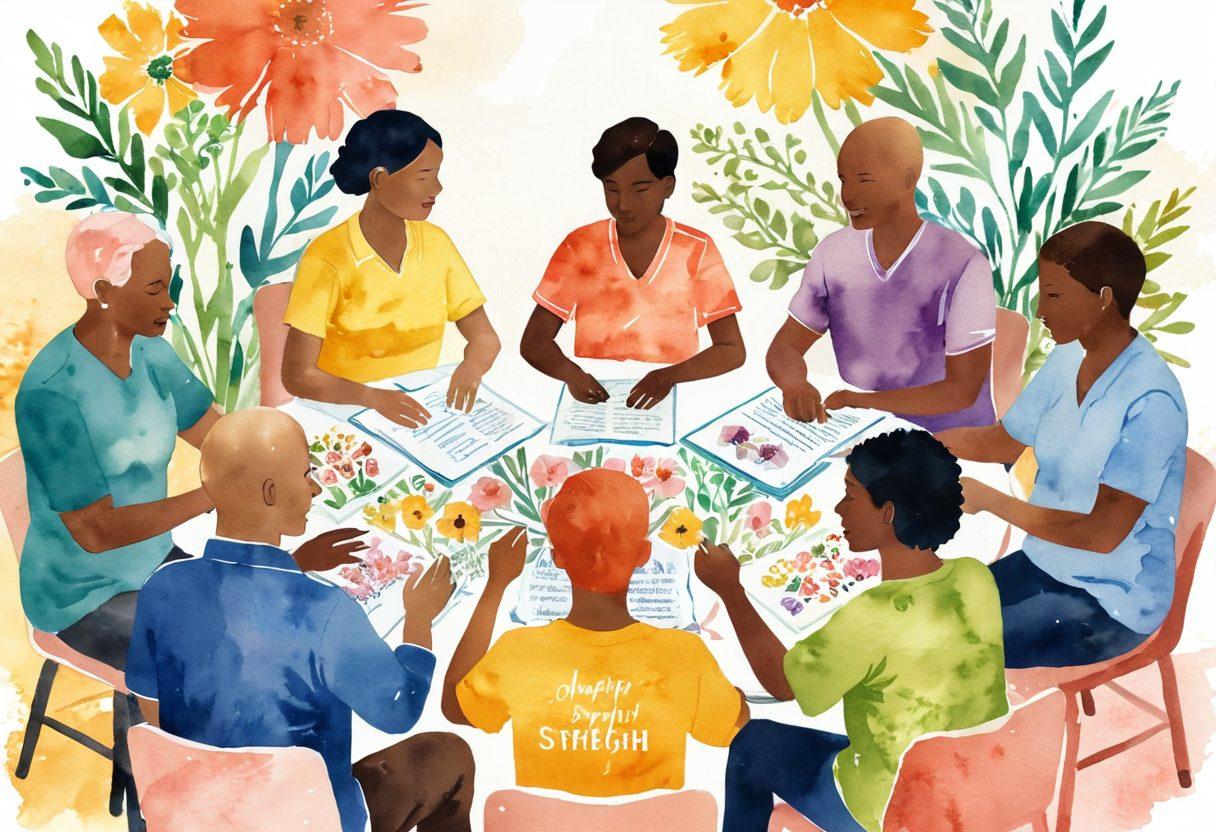
Lastly, never underestimate the power of community. Being part of a support group can make a world of difference after a cancer diagnosis. Sharing your triumphs, fears, and experiences with others who understand can foster a sense of belonging and help propel your healing process. Through medical research, we learn that robust social support is linked to better health outcomes. So, why not take a step towards your flourishing future? Find a support group, engage in conversations, and believe in the strength of shared stories. After all, together we can thrive!
From Tumor to Triumph: Key Wellness Tips for Caregivers and Survivors Alike
Cancer is often described as a journey, and for both survivors and caregivers, it can feel like an uncharted territory filled with peaks and valleys. This journey begins with a single diagnosis, a word that, for many, generates an avalanche of emotions — 'carcinoma,' 'malignant,' or just 'tumor.' But as the saying goes, 'Out of adversities come the greatest triumphs.' So how do we transform mere survival into a thriving existence? Welcome to our guide filled with health tips and wellness strategies that not only elevate the wellbeing of cancer survivors and their caregivers but also foster a supportive environment for healing.
Engaging with the complexities of cancer care often leads to a whirlwind of appointments, therapies, and emotions. Whether it's chemotherapy, radiotherapy, or the latest advancements in immunotherapy, each step can be daunting. Questions swirl in your mind: How do I keep my energy up during treatment? How can I support my loved one without losing myself? The secret lies in focusing on wellness strategies that not only improve physical health but also nurture emotional wellness. Engaging in patient advocacy, connecting with support groups, and accessing patient resources are essential steps to reclaiming a sense of normalcy amidst the chaos of medical research and clinical trials.
One particularly poignant aspect of this journey is the bond formed between caregivers and cancer survivors. These heroes often operate behind the scenes, providing daily support and love. Caregivers might experience a whirlwind of emotions themselves — from joy to anxiety, exhaustion to empowerment. It’s essential that caregivers implement their health tips. A balanced diet, regular respite, and maintaining their own social circles become crucial to their ability to provide robust cancer care. Remember, caregivers must also prioritize their wellbeing because they are the backbone of survival triumphs. After all, can one truly walk a path filled with thorns without proper footwear?
Another key component in the journey of healing involves understanding long-term health education. Cancer prevention is more than just a buzzword; it's an active pursuit. Many survivors find solace—and a sense of control—through lifestyle changes that promote public health. These health tips include adhering to nutritional guidelines, staying active, and regularly following up with an oncologist. Implementing these strategies not only reduces the risk of recurrence but also fortifies the resilience of cancer survivors and their caregiving teams.
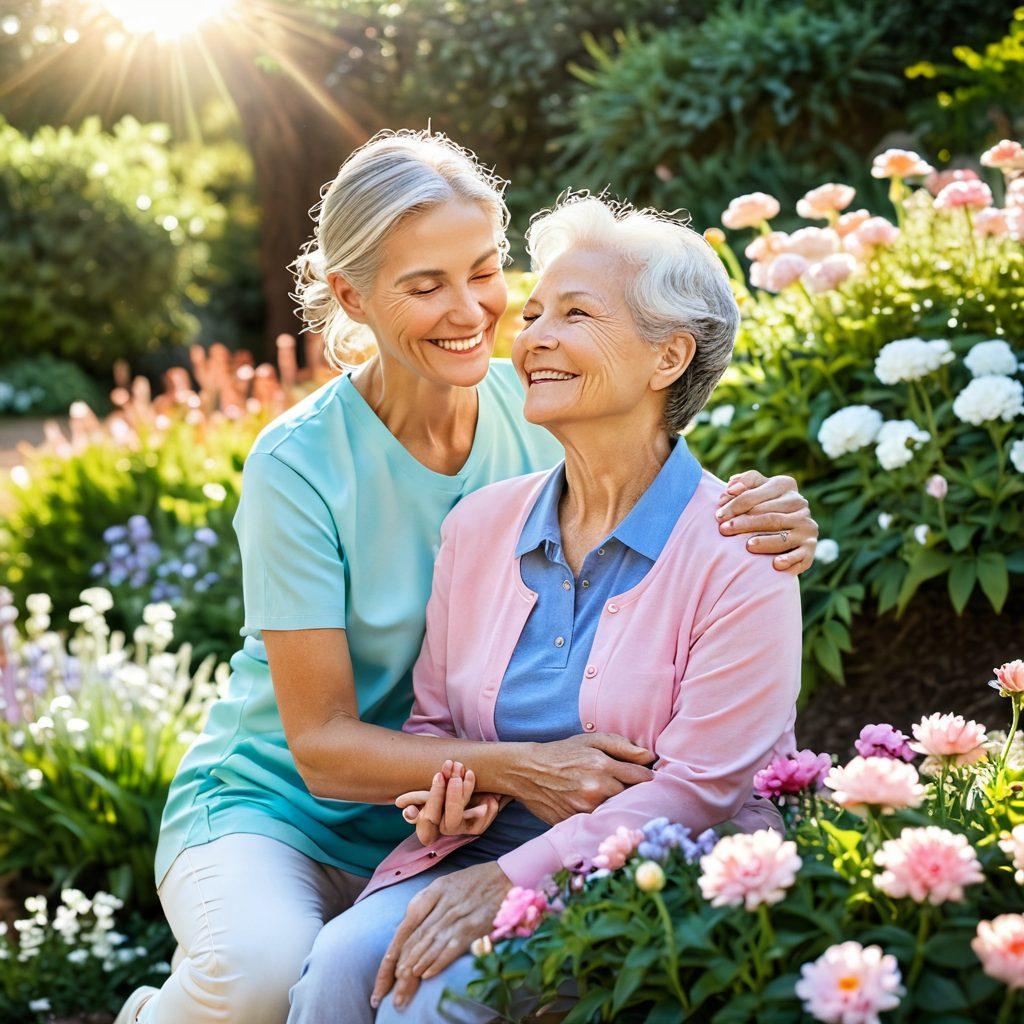
At the heart of navigating this journey is an understanding that no one must walk it alone. Community support is vital; it’s where hope blossoms. Finding local support groups or connecting through online forums can open doors to invaluable shared experiences. Be it exchanging health tips or just a listening ear, the collective strength can empower both caregivers and cancer survivors alike. This journey, while filled with uncertainties, can ultimately lead to profound personal growth and a deeper appreciation for life. So ask yourself this: what’s one small action you can take today to embrace this journey from tumor to triumph?
Navigating Cancer Care: Essential Resources and Support for Survivors and Advocates
Navigating the complex world of cancer care is a journey marked by resilience, hope, and unwavering support. For cancer survivors and their advocates, understanding essential resources can be the compass that guides them through. Whether you're grappling with the aftermath of a malignant tumor or supporting someone navigating the treacherous terrain of chemotherapy, radiotherapy, or immunotherapy, knowing where to turn for info and support is paramount. So grab your metaphorical backpack—let's explore the invaluable resources available for cancer survivors and their supporters to thrive on this journey.
Imagine this: You've just received the diagnosis that feels like a thunderstorm, washing away your normal life—this is the reality for many who encounter carcinoma. The path to recovery is fraught with questions. What are the best health tips? How do I advocate for myself at medical appointments? Where can I find patient resources or support groups? These questions linger, but the answers are out there. Connecting with healthcare professionals, including your oncologist, is fundamental. They provide not only guidance on treatment but also information on current medical research and clinical trials that might be beneficial in your fight.
Support groups are more than just meetings that happen weekly in a stuffy room; they're lifelines of human connection filled with shared experiences and camaraderie. Imagine sitting in a room, surrounded by people who truly understand your journey—how healing that can be! These spaces offer support, advice, and sometimes even laughter. Utilize the power of these networks to talk about wellness strategies that resonate with you. Sharing tips on nutrition, exercise, and mental wellbeing can create a powerful ripple effect that enhances your recovery.
In the realm of cancer prevention and patient advocacy, knowledge is empowering. This is where health education plays a vital role. Does your cancer care team provide you educational resources and materials? Are you equipped to engage in conversations about your treatment options? Equip yourself with information on the latest in healthcare advancements and treatment methodologies. Knowledge gained today can be a definitive step towards a healthier tomorrow. Don't underestimate the power of your voice when it comes to advocating for your health.
Navigating cancer care doesn’t have to be an isolating experience. The landscape is dotted with resources waiting to be explored—reach out, engage, and embrace the help around you. Whether it’s participating in a support group or tapping into patient resources, remember that your journey is one of courage and strength. As you continue on this path, remember the words of Maya Angelou, 'You may encounter many defeats, but you must not be defeated.' With every small step forward, you’re not just a cancer survivor; you're paving the way for better health and a fulfilling life post-cancer.